7 Steps to Take Before Arranging Encampment Cleanup in Oklahoma
It’s Monday morning, and a property manager in Oklahoma City….
You come home after a weekend away to find a burst pipe has turned your basement into a wading pool. Or maybe a slow roof leak has stained your ceiling for months. You clean up the visible mess, pat yourself on the back, and move on. But weeks later, a musty smell creeps in, and dark spots bloom on your walls. Could water damage really cause mold that fast?
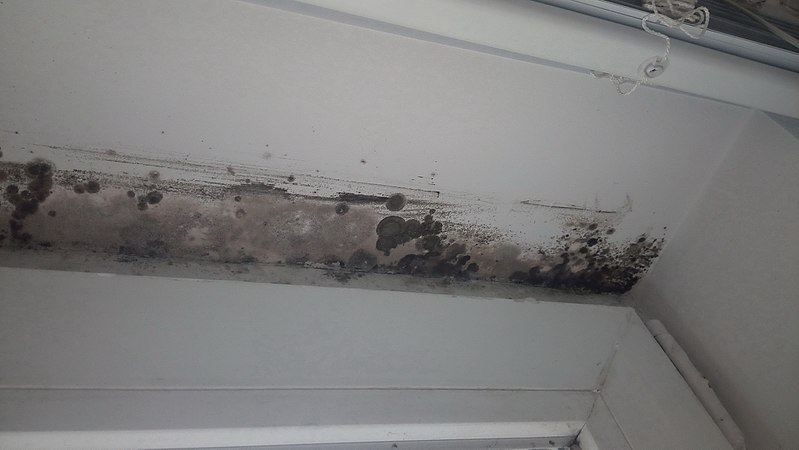
The short answer: Absolutely. Water damage and mold growth are a dangerous one-two punch for homes. Within 24–48 hours of moisture exposure, mold spores—already floating in your air—can take root and spread like wildfire. And it’s not just obvious floods you need to worry about.
In this article, we’ll break down why water damage always risks mold, how to spot hidden growth, and critical steps to protect your home and health.
Mold isn’t magic—it’s a simple equation:
Moisture + Organic Material + Time = Mold Colony
Mold spores exist everywhere, waiting for the right conditions. When water damage occurs (even minor seepage), it creates a buffet for these spores. They digest materials like cellulose in drywall or wood, releasing enzymes that decay your home—and mycotoxins that harm your health.
It’s not just catastrophic floods. These overlooked sources are equally risky:
Pro Tip: Proper cleanup is critical – Following proper water cleanup steps helps prevent lingering moisture and mold growth.
Mold exposure can impact health within days, especially for kids, seniors, or those with allergies/asthma. According to the CDC:
Real-life example: A family in Portland, OR, developed persistent coughs and fatigue after a minor roof leak. An inspection revealed toxic mold in their attic—traced to incomplete drying months earlier.
Don’t wait for visible growth. Watch for these red flags:
Act fast to prevent mold’s 48-hour countdown. Delaying cleanup after flooding can lead to serious water damage and expensive structural repairs.:
Do This
Not This
Black mold? Evacuate and call certified remediators (IICRC-certified). Disturbing it releases toxic spores.
Stop problems before they start:
A: As little as 24 hours in warm, humid conditions.
A: Only if the water damage was “sudden and accidental” (e.g., burst pipe). Gradual leaks or neglect are often excluded.
A: DIY kits exist, but false positives are common. For health concerns, hire a professional inspector.
A: No. Aspergillus, Penicillium, and Chaetomium can also cause severe health issues.
A: Yes—if the moisture source isn’t fixed. Always address the cause, not just the mold.
Water damage might seem like a short-term nuisance, but the mold that follows can turn your home—and health—upside down. By acting fast, drying thoroughly, and staying vigilant, you’ll protect what matters most.
Found mold or lingering moisture? Don’t gamble with DIY fixes. Cavins Group offers certified water damage restoration and mold remediation—we handle the mess so you can breathe easy.

It’s Monday morning, and a property manager in Oklahoma City….

The fire is out. The fire trucks have left. You may even think you were lucky, because the flames only touched one part of the building.

Most people find out the hard way. They’re twenty minutes into pulling up an….

It’s 2 AM and you’re woken up by a sound nobody wants to hear, water. A pipe’s burst….

Water’s coming through your floors and you genuinely don’t know where to start. That’s normal. Most people don’t.

Cleaning mold doesn’t always solve the problem. If it keeps coming back….

You bought an older house. Maybe it’s one of those charming brick homes in Wichita.

It’s 2 a.m., a thunderstorm is hammering your roof, and you hear it, a soft plink… plink… plink coming from somewhere in the dark.